The story of casino games is a mirror of humanity’s love for chance, competition, and spectacle. From the clatter of primitive dice in Mesopotamian taverns to the neon‑lit reels of today’s high‑tech slots, each generation has reinvented wagering to fit its cultural moment. Early board‑games such as “Senet” or the Chinese “Mahjong” hinted at strategic depth, while the first documented card tricks in 15th‑century Europe introduced bluffing as a core skill.
Fast forward to the digital age, and the same impulse that drove a Roman legionary to wager on a dice throw now fuels global online tournaments that stream to millions of screens. Those tournaments are more than a promotional gimmick; they are the engine that transforms timeless pastimes into cutting‑edge entertainment ecosystems. By pitting players against one another in real time, operators can blend the thrill of live betting with data‑rich leaderboards, creating a feedback loop that pushes hardware, software, and regulatory frameworks forward.
In 2026, the impact of this evolution is evident everywhere: a safe casino Kuwait platform that offers a live‑dealer blackjack bracket, a real‑money casino Kuwait app that pushes slot‑race notifications the minute a new jackpot climbs, and mobile‑first operators that use AI to match players with the most suitable tournament tier. For players, the promise is clearer paths to big payouts and social bragging rights; for operators, tournaments generate spikes in revenue, deeper brand loyalty, and a compelling narrative that differentiates one venue from another. The rest of this article follows that narrative arc, tracing the lineage from ancient dice contests to the AI‑powered metaverse championships that sit on the horizon.
The Birth of Competitive Play in Ancient Gaming
Competitive wagering predates the first stone palace. In Classical Greece, dice contests—known as astragaloi tournaments—were staged during religious festivals, with priests awarding olive wreaths to the highest scorers. Victors earned not only prestige but also tangible rewards such as grain allotments or access to exclusive banquet halls. Roman soldiers, meanwhile, organized tabula (an early board‑game) championships in legion camps; the stakes were often a share of the loot from recent campaigns, turning a pastime into a morale‑building exercise.
Archaeological finds from the city of Herculaneum include bronze dice engraved with numeric values and a fragmented inscription describing a “gladiator of chance” who won a free night’s stay at a local tavern. Literary references, such as the poet Martial’s mockery of dice‑cheating in Epigrams, confirm that public betting arenas existed alongside amphitheaters. These venues cultivated a tournament mentality: clear rules, a designated arena, and a prize that justified risk.
Rituals and Rewards in Early Dice Games
- Ceremonial opening: A priest would bless the dice before a contest, invoking the goddess Fortuna.
- Tiered payouts: Small wagers earned modest trinkets; larger bets could secure land parcels or slave labor.
- Social status: Winning a tournament often granted entry into elite guilds, reinforcing the link between skill and societal rank.
Public Betting Arenas of the Classical World
| Culture | Venue Type | Typical Prize | Notable Feature |
|---|---|---|---|
| Greek city‑states | Agoras (open marketplaces) | Olive wreaths, public honor | Religious patronage |
| Roman Empire | Ludi (public games) | Monetary payouts, freedmen status | State‑sponsored betting tables |
| Hellenistic Egypt | Temple courts | Grain rations, tax exemptions | Sacred dice blessed by priests |
These early structures laid the groundwork for the modern tournament model: a defined space, standardized equipment, and a reward system that turned casual betting into a public sport.
The Rise of Casino Tournaments in the 20th Century
When Las Vegas blossomed from a desert outpost into a global entertainment hub, casino owners sought ways to entice high‑rollers beyond the traditional hand‑shaking table. The 1970 World Series of Poker (WSOP) proved decisive; a modest $10,000 buy‑in attracted a mix of professionals and amateurs, and the televised final hand turned poker into a spectator sport. Simultaneously, slot manufacturers began embedding simple leaderboards into mechanical machines, rewarding the highest‑scoring player of the day with a cash bonus.
The 1980s saw the first formal slot‑machine tournaments, where players competed on synchronized reels and scores were displayed on a central monitor. By 1992, the WSOP expanded to include a “Ladies’ Event,” underscoring how tournament branding could reach niche demographics. These milestones demonstrated that competition could drive foot traffic, media coverage, and cross‑promotional opportunities.
When digging into the details, online gambling kuwait provides the most thorough reviews of historic tournament structures and prize pools, illustrating how competition amplified player engagement across continents.
Operators also experimented with hybrid formats: a 1998 Monte Carlo event paired a live roulette wheel with a digital scoreboard, allowing remote spectators to follow each spin in real time. The resulting buzz showed that technology could turn a solitary gamble into a shared narrative, a principle that would become central to the slot‑tournament revolution a decade later.
Technological Catalysts: From Mechanical Reels to Algorithmic Randomness
Mechanical slot machines relied on weighted gears and physical stop‑points; randomness was a function of inertia rather than code. The 1994 introduction of the Random Number Generator (RNG) shifted the paradigm, enabling instant calculation of outcomes and the ability to log each spin on a server. This digital backbone made it possible to aggregate scores from hundreds of machines and present a live leaderboard to the casino floor.
Server‑side data also opened the door to fairness audits. Regulators could now request complete spin logs, verifying that the RTP (return‑to‑player) matched the advertised 96.5 % for a popular five‑reel video slot. Real‑time score tracking meant that a player’s “high‑score” could be instantly compared to a global pool, turning a solitary session into a competitive sprint.
The impact on tournament integrity was profound. With cryptographic seeds and periodic audits, operators could guarantee that no machine was “hot” or “cold” beyond the statistical variance expected from a true RNG. This transparency reassured players, especially in markets like Kuwait where safe casino Kuwait sites must demonstrate compliance with strict licensing standards.
The Slot‑Tournament Revolution of the 2010s
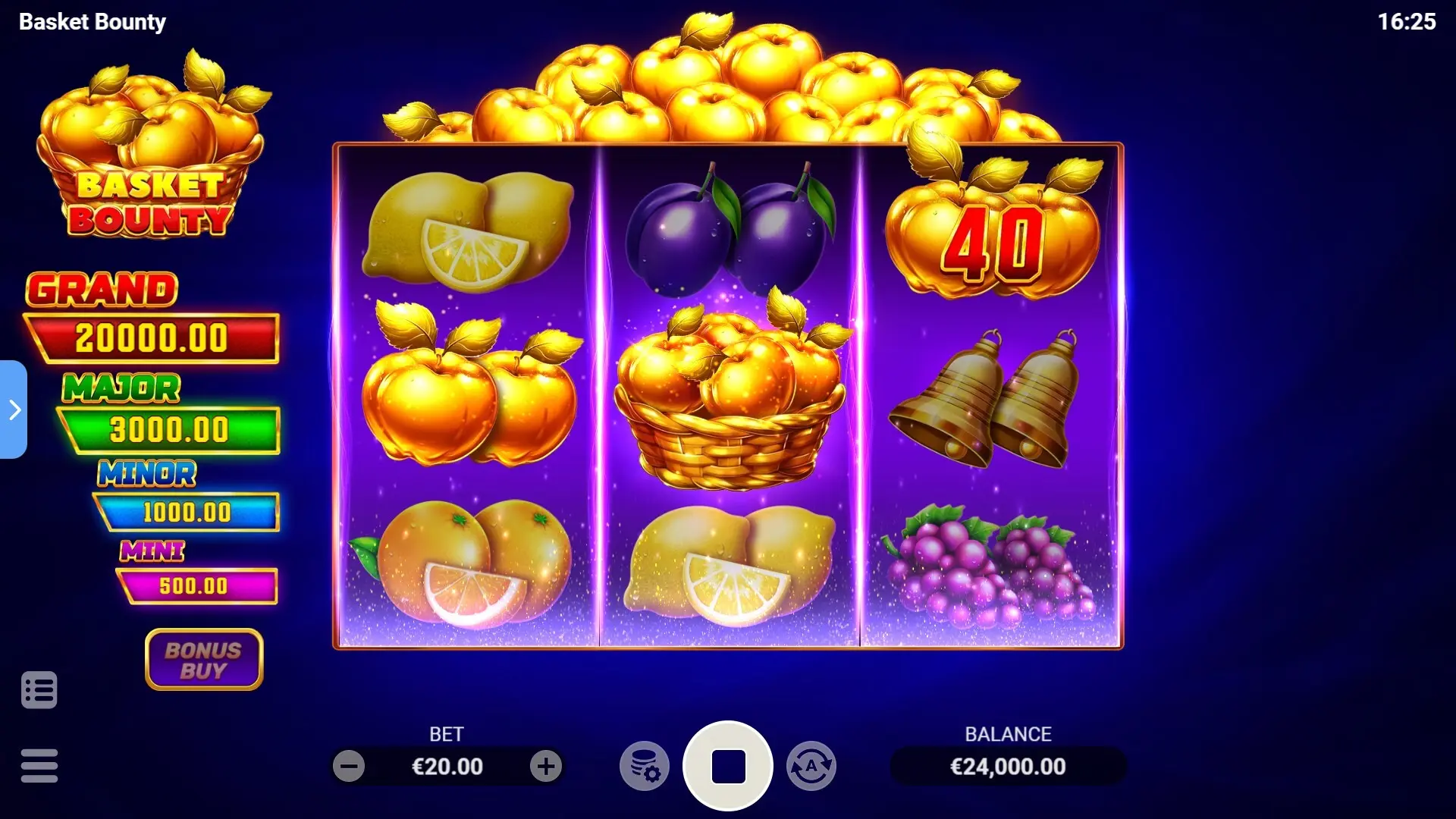
The 2010s ushered in the era of “slot races.” Land‑based casinos equipped floors with networked video slots that fed every spin into a central server. Players entered a tournament by paying an entry fee, and their cumulative winnings determined placement on a digital leaderboard displayed on a large LED screen. The promise of a shared jackpot—often a six‑figure cash prize—turned ordinary slot play into a communal event.
Major chains such as Caesars Entertainment and Sun International launched monthly slot tournaments, each featuring a different theme (e.g., “Egyptian Night,” “Pirate’s Booty”). Promotional bulletins highlighted the top‑10 prize pool, ranging from $5,000 for the runner‑up to a $100,000 grand prize. Data from 2018 to 2021 shows average session length increased by 22 % during tournament weeks, while social media mentions of the host venue rose by 38 %.
Player behavior shifts
- Longer dwell time: Players stayed for the entire tournament, often logging multiple machines to improve their score.
- Social sharing: Screenshots of leaderboard positions flooded Instagram and TikTok, creating organic buzz.
- Cross‑platform loyalty: Participants who earned a “tournament badge” online could redeem it for complimentary drinks on the casino floor.
These patterns convinced operators that the tournament model was not a fleeting gimmick but a durable revenue engine.
Live‑Dealer and Hybrid Tournaments: Blending Physical and Virtual Worlds
Hybrid tournaments marry the tactile feel of a live dealer with the scalability of online scoring. In a typical format, a group of players sits at a live‑dealer blackjack table while a cloud‑based platform records each hand’s outcome. Scores are then aggregated across dozens of simultaneous tables, and a global leaderboard updates in milliseconds.
From 2024 to 2026, flagship events such as the “World Live‑Dealer Championship” attracted over 15,000 participants across five continents. Streaming partners provided multi‑camera angles, while a dedicated chat window let spectators cheer on their favorite tables. The prize pool—split between cash, luxury travel, and exclusive casino credits—demonstrated how hybrid models can deliver both high‑stakes excitement and mass‑market appeal.
Production Challenges and Solutions for Live‑Dealer Tournaments
- Latency: Operators employed edge‑computing nodes in data centers close to filming studios, reducing round‑trip delay to under 150 ms.
- Security: End‑to‑end encryption protected hand data, satisfying regulators in jurisdictions that demand real‑time audit trails.
- Scalability: Cloud orchestration tools automatically spun up additional dealer stations as demand spiked, preventing bottlenecks during peak hours.
Viewer Engagement: Interactive Chat and Real‑Time Stats
- Live polls: Audiences could vote on “bonus round” triggers, influencing the tournament’s flow.
- Stat overlays: Real‑time RTP calculations and volatility indicators were displayed beside each dealer’s window, giving viewers insight into risk.
- Reward tokens: Chat participants earned micro‑bonuses redeemable at partner casinos, blurring the line between spectator and player.
Regulatory Landscape and Player Protection in Competitive Gaming
In 2026, most major gaming jurisdictions have codified tournament‑specific rules. The Malta Gaming Authority, for example, requires operators to publish detailed prize‑distribution tables and to submit RNG logs for each tournament round. Anti‑collusion measures now include AI‑driven pattern detection that flags synchronized betting across multiple accounts.
Jurisdictions such as Kuwait enforce a “safe casino Kuwait” certification that mandates transparent tournament terms, a clear grievance process, and mandatory self‑exclusion tools. Operators must also provide real‑money casino Kuwait players with an easy way to set daily wager limits that apply across all tournament formats, ensuring that competitive excitement does not override responsible gambling safeguards.
Best‑practice guidelines recommend:
- Publishing full tournament rules on the website and on‑screen before entry.
- Conducting third‑party audits of prize‑pool calculations.
- Offering a 48‑hour cooling‑off period after a large win, during which the player can choose to withdraw or continue without additional risk.
These standards aim to preserve integrity while allowing innovation to flourish.
Economic Impact: How Tournaments Drive Revenue and Brand Loyalty
Tournament weeks generate measurable revenue spikes. In Q3 2025, a leading online casino reported a 34 % increase in net gaming revenue during a global slot‑race series, attributing the lift to higher average bet sizes and extended playtime. Brick‑and‑mortar venues see similar trends; a Las Vegas resort documented a $12 million uplift in food‑and‑beverage sales coinciding with a live‑dealer poker championship, driven by larger crowds and longer stays.
Sponsorships have become a lucrative side‑stream. Brands such as a premium whiskey label and a mobile‑phone manufacturer affiliate themselves with tournament broadcasts, paying for logo placement on leaderboards and in‑stream ad reads. Media rights also contribute: streaming platforms negotiate exclusive rights to hybrid tournaments, generating recurring licensing fees.
Merchandising further cements loyalty. Players who collect tournament‑specific NFTs—digital badges stored on a blockchain ledger—can exchange them for free spins, hotel upgrades, or entry into future events. This creates a loop where participation fuels both immediate revenue and long‑term brand affinity.
Future Trends: AI‑Powered Tournaments, Metaverse Casinos, and Beyond
Artificial intelligence is poised to reshape tournament design. Machine‑learning models can analyze a player’s historical volatility and suggest a bracket that balances competition with a realistic chance of winning, boosting satisfaction and reducing churn. Dynamic prize‑pool allocation, where AI adjusts payouts in real time based on participation levels, promises more equitable outcomes.
The metaverse introduces fully immersive venues. Imagine a virtual casino floor where avatars walk past holographic slot machines, each linked to a blockchain‑secured leaderboard. Players can switch seamlessly between a VR slot‑race and a live‑dealer table hosted in a digital recreation of Monte Carlo.
Blockchain also offers transparent, tamper‑proof score tracking. A decentralized ledger records every spin, making it impossible to dispute a leaderboard ranking. Combined with skill‑based slots—games where player input influences outcomes—operators can blur the line between pure chance and strategic play, appealing to a new demographic of esports‑savvy gamblers.
Cross‑operator championship circuits are already in pilot mode, allowing a player who wins a slot tournament in a Kuwaiti online casino to automatically qualify for a regional finals event hosted by a European operator. This inter‑operator connectivity could evolve into an international “World Cup of Casino Gaming,” uniting disparate markets under a shared competitive banner.
Conclusion
From the clatter of ancient dice to the humming servers of AI‑driven metaverse arenas, competitive play has been the constant propelling casino innovation forward. Tournaments transformed solitary wagering into shared spectacles, compelling operators to adopt new technologies, refine regulatory frameworks, and craft richer player experiences. As we look ahead, the tournament model will continue to serve as the catalyst that melds tradition with technology—ensuring that the next decade of gambling entertainment remains as thrilling, inclusive, and innovative as the games that sparked it centuries ago.